Taipy: Why I Finally Ditched Streamlit for Production Apps
Well, I have a confession to make. For the last five years, I’ve been utterly hooked on “script-to-web” tools. You know the drill — write a few lines of Python, throw in a dataframe, and bam, you have a dashboard. It’s like magic. Until it’s not.
Because the second you try to build something real — I’m talking multi-user support, heavy data processing, or complex state management — that magic turns into a nightmare of session state hacks and caching decorators that never seem to work quite right. Actually, I should clarify — I spent last Tuesday debugging a callback chain in Dash that made me want to rethink my career choices.
That’s when I took another look at Taipy. I’d ignored it back in 2024 because I thought, “Great, another wrapper.” But I was wrong. I’ve spent the last two weeks porting a supply chain optimizer from a janky Streamlit prototype to Taipy, and honestly? It’s a different beast entirely.
It’s Not Just About the UI
Most Python web frameworks focus heavily on the frontend. They make it easy to put a slider on a page. Taipy does that too, but that’s not why you use it. You use it for the backend orchestration.
In my previous setup, every time a user changed a slider, the entire script would re-run from top to bottom unless I aggressively cached everything. It was inefficient. And my AWS bill for that EC2 instance was stupidly high because the CPU was constantly churning through redundant calculations.
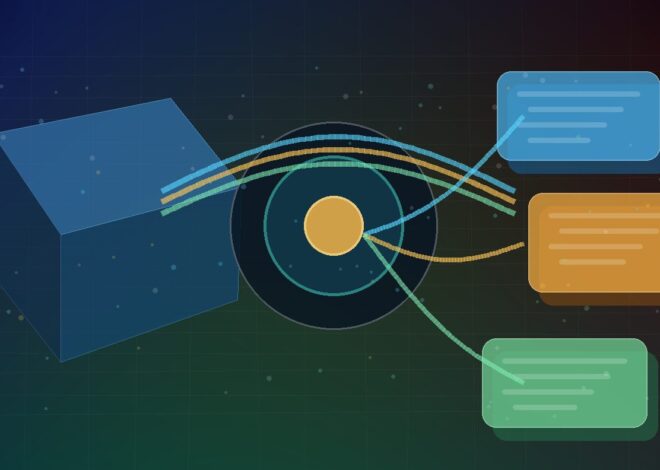
Taipy splits the world into two parts: GUI and Core. The Core is where the magic happens. It treats your application logic as a pipeline (a DAG, for the data nerds). You define input data, tasks, and output data. Taipy manages the execution. And if you change one input, it only re-runs the parts of the pipeline affected by that change. It’s like having Airflow built directly into your frontend framework.
The “Scenario” Killer Feature
Here’s the specific problem that sold me. I needed my users to run “what-if” simulations. What if demand drops by 10%? What if shipping costs double?
In Streamlit, implementing this meant building a complex database schema to save user inputs and results, then building a UI to load them back. And it took me three days to get a buggy version working.
But Taipy has a concept called Scenarios built-in. It’s native. You don’t build it; you just configure it. A user can create a “Scenario A,” change parameters, run it, create “Scenario B,” run that, and then compare the results side-by-side. The framework handles the storage, the retrieval, and the execution context.Questions readers ask
What is the main advantage of Taipy over Streamlit for production apps?
Taipy separates the application into a GUI layer and a Core layer that treats your logic as a pipeline (a DAG). When an input changes, it only re-runs the affected parts of the pipeline instead of executing the entire script top to bottom. This avoids the redundant calculations and caching hacks that made Streamlit inefficient and expensive to run on EC2.
How does Taipy handle what-if simulations compared to Streamlit?
Taipy has a built-in concept called Scenarios that handles what-if simulations natively. Users can create Scenario A, change parameters, run it, create Scenario B, and compare results side-by-side. The framework manages storage, retrieval, and execution context automatically. In Streamlit, the author spent three days building a buggy custom database schema and UI to achieve the same functionality.
What is the difference between Taipy Core and Taipy GUI?
Taipy splits the world into two parts: GUI and Core. The GUI handles frontend elements like sliders on a page, similar to other Python web frameworks. The Core handles backend orchestration, treating application logic as a pipeline with defined input data, tasks, and output data. Taipy manages execution automatically, functioning like having Airflow built directly into the frontend framework.
Why do script-to-web tools like Streamlit struggle with multi-user production apps?
Script-to-web tools work magically for simple dashboards but break down with multi-user support, heavy data processing, or complex state management. They become a nightmare of session state hacks and caching decorators that never work quite right. Every user interaction, like changing a slider, re-runs the entire script from top to bottom unless you aggressively cache everything, leading to inefficient CPU usage and high hosting costs.